Hammersmith & Fulham moving permits and skip rules
Posted on 23/06/2026
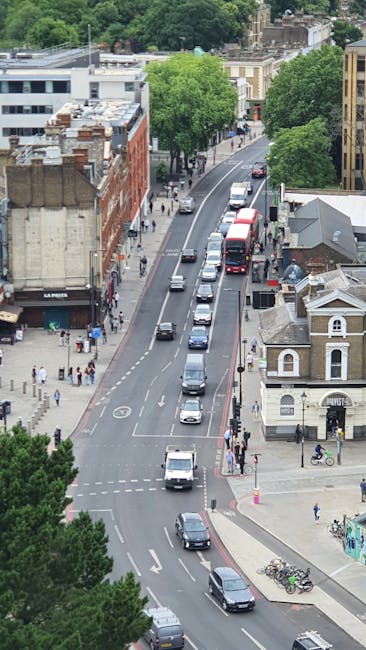
Hammersmith & Fulham moving permits and skip rules: a practical guide for smoother moves
If you are planning a move in west London, Hammersmith & Fulham moving permits and skip rules can feel like the annoying bit nobody warns you about. The van is booked, boxes are stacked, and then someone mentions bay suspensions, skip licences, narrow streets, or a parking ticket waiting to happen. Lovely.
Truth be told, the difference between a calm move and a stressful one often comes down to access. In this guide, we'll break down what permits are really for, when a skip makes sense, what usually causes problems, and how to avoid the small oversights that turn into expensive delays. You'll also find a checklist, a real-world example, and a straightforward comparison to help you choose the best approach.
Why Hammersmith & Fulham moving permits and skip rules Matter
Hammersmith & Fulham is one of those boroughs where moving logistics can change block by block. A spacious road near one property can become a tight, permit-sensitive street a few minutes away. Add school runs, controlled parking zones, shared driveways, footway obstructions, and loading restrictions, and it's easy to see why planning matters.
Moving permits and skip rules matter for three simple reasons:
- They help you avoid fines and delays. A vehicle stopped in the wrong place can delay the whole move, especially if lift access or time slots are tight.
- They protect neighbours and traffic flow. In busy London streets, one badly placed vehicle or skip can block visibility, damage kerbs, or frustrate residents pretty quickly.
- They keep your move predictable. When you know whether parking, loading, and waste disposal are covered, you can plan labour, timings, and vehicle size properly.
There's also a quiet benefit that people underestimate: confidence. If you know the access side is under control, everything else feels lighter. The packing. The lifting. Even the kettle somehow tastes better that morning.
For local moves, this is especially relevant if you are dealing with flats, maisonettes, estates, or buildings where access is controlled. If that sounds familiar, you may also find this guide on tube moves, concierge lifts and arrival slots useful, because access is often the hidden hurdle, not the distance itself.
How Hammersmith & Fulham moving permits and skip rules Works
At a practical level, there are two separate questions to answer: where will the moving vehicle stop, and where will waste go?
1) Moving permits and parking controls
When a moving van needs to stop on a restricted road, the key issue is whether the stop is allowed and for how long. In many London boroughs, that means looking at controlled parking zones, single yellow restrictions, pay-and-display bays, resident bays, loading bays, and any temporary suspension rules. In some situations, a formal permit or suspension is needed; in others, careful timing and compliant loading may be enough.
The important thing is not to assume that "just ten minutes" is harmless. In busy areas, ten minutes is often exactly long enough to get noticed. To be fair, the parking attendant doesn't care that you are carrying a wardrobe down three flights of stairs.
2) Skip rules and waste placement
Skips are useful when you have bulky rubbish, renovation waste, or a deep clear-out. But they are not something you can just drop anywhere and hope for the best. The location, size, duration, and contents all matter. A skip on a public road may need permission or a licence; a skip on private land still needs to be positioned safely and used correctly.
In move-related situations, the common question is whether a skip is actually the right tool. Sometimes it is. Sometimes a man and van clearance, a bulk-waste pickup, or a staged declutter is less disruptive. If you are trying to decide between moving and disposal options, the article on bulky waste in SW6 and council fines is a helpful companion read.
3) Timing and sequencing
Access planning and waste planning should happen before moving day, not during it. Ideally, you want to confirm:
- where the van will park
- whether the road has restrictions at your move time
- whether a skip, if needed, can be placed safely
- how far items will need to be carried
- what happens if a bay is occupied when the crew arrives
That last point matters more than people think. A fallback plan saves a lot of muttering on the pavement.
Key Benefits and Practical Advantages
Handled properly, permits and skip planning do more than keep you compliant. They actively improve the move.
- Less wasted time: crews can start unloading sooner if the vehicle has a legal, usable space.
- Lower risk of damage: shorter carry distances mean fewer bumps on stair edges, doors, and floors.
- Better labour efficiency: if the van is close, a two-person job stays a two-person job instead of becoming a relay race.
- Cleaner end result: a skip or waste plan prevents clutter from hanging around after the move.
- Better neighbour relations: fewer blocked entrances and fewer awkward conversations in communal hallways.
There's also a commercial benefit if you're comparing moving services. A company that understands access, parking, and clearance planning will usually quote more accurately. That matters. You'll notice the difference in both stress and final bill.
If you want a better feel for what a full move service can include, see the overview at services overview. And if you're trying to get a sense of how access issues affect pricing, this guide on confusing quotes and what is actually included is well worth a look.
Who This Is For and When It Makes Sense
Not every move needs a formal permit or a skip. But many do, or at least benefit from the same kind of planning.
This is especially relevant if you are:
- moving from or into a flat with limited roadside access
- using a larger vehicle or multiple loading trips
- moving during busy daytime hours when parking is hard to find
- clearing out furniture, old boxes, or unwanted household items at the same time
- managing a student move, short-let turnover, or end-of-tenancy clearance
- dealing with a basement flat, upper-floor walk-up, or narrow stairwell
It also makes sense if you are moving heavy or awkward items. A piano, for example, changes the risk profile completely. The article on professional piano moving explains why specialist handling matters, and this is one of those areas where access planning and lifting safety go hand in hand.
Families moving house will often benefit from a staged approach. Students, on the other hand, may need something faster and simpler, especially if the move happens between term dates or around a lease deadline. If that sounds like your situation, the page on student removals is relevant even if you are only comparing options.
Step-by-Step Guidance
Here's the cleanest way to approach Hammersmith & Fulham moving permits and skip rules without making the day harder than it needs to be.
- Map the property access first. Note the road width, loading area, entrance distance, stair access, lifts, and any obstructions such as low trees or fixed railings.
- Check parking restrictions for the exact time of the move. Don't just look at the street. Look at the time window too. A bay that is fine at 8 a.m. may be a problem at 10 a.m.
- Decide whether you need a permit or suspension. For some moves, a compliant loading plan is enough. For others, especially where a bay must be reserved, formal permission may be needed.
- Separate "move waste" from "keep" items early. The more you decide before moving day, the less likely you are to fill the van with things that should have gone elsewhere.
- Choose the waste route. That might be a skip, a licensed clearance service, reuse, storage, or recycling. It depends on volume and item type.
- Confirm responsibility. Make sure you know whether the mover, the tenant, the landlord, or the building manager is handling parking or waste arrangements.
- Have a fallback plan. If your bay is occupied or the skip location changes, know in advance what happens next.
A small but useful habit: take photos of the street, the kerb, the entrance, and any bay signs a few days before moving. That simple step can save time when planning with a mover or discussing access with a building manager.
If you're still at the decluttering stage, this article on where to start with pre-move decluttering can help you cut down the amount of waste before you even think about skips.
Expert Tips for Better Results
Here's the part that saves people money. Small details, handled early, do most of the heavy lifting.
- Book access decisions before you book the van size. The right parking space can reduce the size of vehicle you need, or at least prevent over-ordering.
- Match the waste solution to the actual volume. A skip is not always the smartest answer. If you only have a few bulky items, a different route may be cleaner and easier.
- Keep the loading route as short as possible. In real life, that means measuring the walk from front door to vehicle, not just trusting a rough guess.
- Protect shared areas in advance. Hallways, lifts, and stair rails get scratched when a move is rushed. Simple coverings and careful lifting help a lot.
- Use proper lifting technique. Not glamorous, but absolutely worth it. The article on kinetic lifting techniques explains the practical side without the jargon.
- Separate fragile and bulky items. Boxes might be packed, but furniture still needs route planning, especially in narrow stairwells.
A quick real-world observation: most delays do not come from the move itself. They come from one thing not being where someone expected it to be. The van. The skip. The lift. The permits. The tape. Always the tape, somehow.
For packing efficiency, this guide to packing your home efficiently is a strong supporting resource, especially if you want fewer loose ends on the day.
![A residential street scene in Hammersmith & Fulham featuring a row of traditional brick houses with white window trim and decorative elements, situated behind a low brick wall with black metal railings. The pavement is lined with young trees in blossom, with white and pink flowers, and a black streetlamp positioned along the curb. A yellow and white parking or information sign is mounted on a pole near one of the trees. The sky is clear with a few scattered clouds, and sunlight illuminates the buildings and street. This setting reflects an urban environment suitable for home relocation or house removals, with visible areas for loading and unloading furniture, boxes, and packing materials, possibly supporting moving logistics and transportation processes undertaken by [COMPANY_NAME], such as loading items onto vans or trucks parked nearby.](/pub/blogphoto/hammersmith-fulham-moving-permits-and-skip-rules2.jpg)
Common Mistakes to Avoid
Most move-day problems in this area are avoidable. The tricky part is that they look minor right up until they are not.
- Assuming any curb space is fine. Not always. Restrictions can be stricter than they look, especially in busy residential streets.
- Leaving permit checks until the morning of the move. By then, it's too late to make calm decisions.
- Ordering a skip without checking placement. If it blocks access, creates a safety issue, or ends up in the wrong location, you inherit the headache.
- Mixing unsuitable items into a skip. Some items require separate handling. If in doubt, treat that carefully rather than guessing.
- Underestimating the time needed for loading. London traffic, stairs, and lift waits can all stretch a supposedly simple slot.
- Ignoring building rules. Some flats, estates, and managed buildings have their own move procedures. Those matter even when the street itself looks fine.
One especially common mistake is assuming that a "same-day" or emergency move automatically removes the need for planning. It doesn't. If anything, same-day work benefits even more from access clarity. If you're in that situation, the article on same-day emergency clearances is a useful reference point.
Tools, Resources and Recommendations
You do not need a mountain of kit to manage this well, but a few practical tools help enormously.
- Measure tape: useful for checking hallway widths, lift doors, and clearances for large furniture.
- Phone camera: take pictures of parking signs, entrances, and anything that could affect vehicle access.
- Simple checklist: keeps permit, skip, packing, and lift arrangements in one place.
- Protective covers: worthwhile for floors, banisters, and upholstered items.
- Labels and markers: make the whole move more orderly, especially when waste and keep items are being separated.
Some situations also call for storage rather than immediate disposal. If you are not ready to part with a piece of furniture but it cannot go into the new place yet, storage can be the calmer choice. The page on storage options may be helpful there, and the article on sofa storage tips is a good example of how to protect bulky items properly.
For appliances, a careful approach matters too. If you are storing white goods during a move, this guide on storing an unused freezer safely offers practical, plain-English advice.
Law, Compliance, Standards, or Best Practice
Without pretending this is a courtroom lecture, it helps to understand the compliance angle. Parking control, skip placement, highway safety, and waste disposal all sit within broader rules that are meant to keep roads usable and safe. In plain English: if you place a vehicle or skip in a way that obstructs traffic, blocks sightlines, or creates a hazard, you are taking on risk.
Best practice usually means:
- checking street restrictions for the exact day and time
- confirming any temporary parking arrangements before the move
- keeping access paths clear for pedestrians, neighbours, and emergency access
- using appropriate waste routes for bulky items rather than leaving them outside informally
- making sure lifting and carrying is done safely, especially in stair-heavy buildings
For householders and tenants, the safest approach is to treat rules seriously even when they seem minor. A small oversight can become a fine, a complaint, or an avoidable delay. And once a move starts to go sideways, it can snowball fast.
If you are comparing providers, it also helps to check how they handle safety, insurance, and complaints. Those pages are not exciting, granted, but they say a lot about how a business works day to day. You can review insurance and safety, health and safety policy, and complaints procedure for a better sense of standards and process.
Options, Methods, or Comparison Table
Here's a simple comparison to help you decide how to handle access and waste on moving day.
| Option | Best for | Pros | Watch-outs |
|---|---|---|---|
| Formal parking permit or suspension | Moves where road space is tight or reserved access is needed | Clear loading area, better timing, less risk of conflict | Needs advance planning and correct details |
| Careful timed loading without a formal permit | Short moves with compliant loading and straightforward access | Can be simple and low-cost | Risky if restrictions are misunderstood |
| Skip on private land | Clearances, refurb projects, or large declutters with space available | Easy waste consolidation, fewer vehicle trips | Needs safe placement and correct waste sorting |
| Skip on the public highway | Properties without private outdoor space | Very practical where access is otherwise limited | Usually requires permission and careful positioning |
| Man and van clearance | Smaller loads or mixed disposal and moving needs | Flexible, often quicker than arranging a skip | Still needs access planning and loading space |
For many households, the best answer is a combination rather than a single solution. A move with a few unwanted items, for example, might be better served by man and van support plus a tidy declutter, rather than a full skip. It depends on volume, timing, and the building itself.
Case Study or Real-World Example
Imagine a two-bedroom flat move on a narrow Fulham street. The property is on an upper floor, the lift is shared, and the front entrance opens directly onto a road with limited waiting space. There are also four items leaving with the move: an old wardrobe, a broken bedside table, a sofa that will not fit the new lounge, and a pile of cardboard from a recent purchase spree. Very normal, very London.
The first instinct might be to book a large vehicle and hope the parking works itself out. But in practice, a better plan would be:
- confirm the exact loading spot and time window
- separate disposal items from items being kept
- check whether the sofa needs specialist handling or storage rather than disposal
- decide if a skip, clearance service, or staged removals are the cleaner route
- protect the lift and shared hallway before anything starts moving
That approach does two things. First, it reduces the amount of stuff on the move-day van. Second, it lowers the chance of unexpected delays while the crew stands around waiting for space. And that waiting adds up, fast.
In a case like this, a well-planned service mix often works best: moving for the items that stay, storage for the awkward furniture, and a separate disposal route for the rest. The practical difference is calm. Less scrambling, fewer surprises, and a much better finish at the end of the day.

Practical Checklist
Use this checklist a few days before the move. It's simple, but it catches the stuff that people forget when they're busy.
- Confirm the move date, start time, and access window
- Check parking restrictions on the exact street, not just the postcode
- Decide whether a permit, bay reservation, or timed loading plan is needed
- Agree who is responsible for parking and any access arrangements
- Separate keep, store, recycle, donate, and dispose items
- Book a skip only if the volume and placement make sense
- Measure awkward furniture and note stair or lift constraints
- Protect hallways, floors, and door frames
- Pack a small essentials box for the first 24 hours
- Take photos of the street, entrance, and loading point
- Keep contact details handy for the mover and building manager
- Allow a little extra time. Always a bit extra.
For a fuller moving-prep rhythm, it can also help to read about organising and cleaning before relocation and the broader moving guidance in how to glide through your house move with confidence.
Conclusion
Hammersmith & Fulham moving permits and skip rules are not just admin. They are part of the move itself. When you get them right, the whole day feels smoother: fewer blocked entrances, fewer last-minute surprises, and a lot less stress on your shoulders.
The smartest approach is usually the simplest one. Check access early, decide what really needs to go, match the right waste solution to the right load, and keep the plan realistic for the street you are actually moving on. Not the ideal street in your head. The real one, with parked cars and all.
If you want a move that feels properly organised from start to finish, take the time to plan the permit and skip side before the boxes start stacking up. That little bit of care pays you back in calm, and honestly, calm is worth a lot on moving day.
Get a free quote today and see how much you can save.