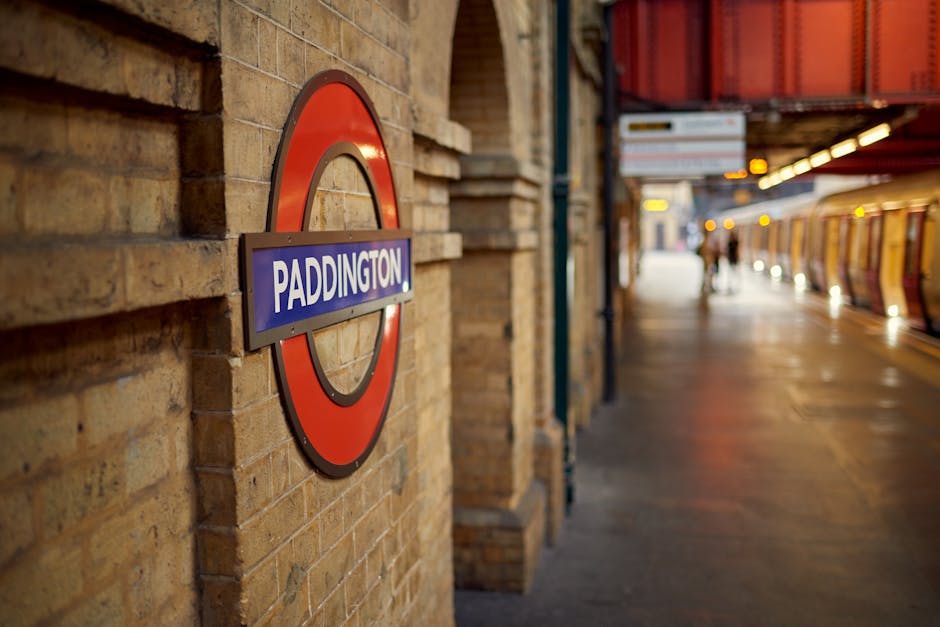
Parsons Green tube moves: Concierge, lifts and arrival slots
Posted on 14/05/2026
Moving near Parsons Green can be deceptively simple on paper, and then suddenly not simple at all. One minute you're arranging a small flat move, the next you're dealing with concierge sign-in rules, lift bookings, delivery windows, and a narrow arrival slot that leaves no room for drift. That's exactly why Parsons Green tube moves: Concierge, lifts and arrival slots deserves proper planning, not just a quick "we'll see on the day" approach.
In this guide, we'll break down how these moves work in real life, what building teams usually expect, and how to avoid the little bottlenecks that can turn a tidy relocation into a long, awkward wait in the lobby. You'll also find practical checklists, common mistakes, and a few local tips that make the whole thing feel a bit less like admin and a bit more like progress. Truth be told, that's half the battle.
Why Parsons Green tube moves: Concierge, lifts and arrival slots Matters
Parsons Green sits in a part of London where homes, conversions, mansion blocks and purpose-built flats often come with access controls. That usually means a concierge desk, lift reservations, or a strict arrival slot for deliveries and removals. If you ignore those rules, even a well-organised move can stall before the first box is inside.
Why does this matter so much? Because the move is not just about transporting furniture. It's about coordinating people, timing, building access, and sometimes neighbours who really, really do not want a sofa blocking the entrance at 8:15 on a weekday morning. A move that respects the building process tends to be calmer, faster, and safer.
In a busy area like Parsons Green, building managers often prefer notice, clear vehicle details, and a named contact on the day. For a flat move, this can be the difference between a smooth lift journey and a long haul up the stairs. If you're planning a wider relocation, our flat removals in Parsons Green service page is a useful place to start, especially if the building has more rules than space.
Expert summary: the best Parsons Green moves are usually the ones that treat concierge instructions, lift bookings, and arrival windows as part of the move plan, not as last-minute admin.
It sounds obvious. Yet in real life, this is where people get caught out. The van arrives, the keys are there, but the lift is booked for another resident or the concierge needs a reference number that nobody remembered to share. Small thing. Big delay.
How Parsons Green tube moves: Concierge, lifts and arrival slots Works
The process usually starts before moving day. You confirm the building's access requirements, send vehicle details to the concierge or management team, and make sure your removal crew knows the agreed arrival slot. If the building has a lift booking system, that often needs to be locked in well ahead of time.
Here's the typical flow:
- Check the building rules. Ask whether you need to book the lift, protect communal areas, or use a specific entrance.
- Confirm the arrival slot. Some buildings allow only a short window for removals, especially at weekends or during busy periods.
- Share details early. The concierge may want the van registration, company name, contact number, and estimated arrival time.
- Plan the load order. Heavy or awkward items should be first off if access is tight.
- Keep one person on coordination duty. A single point of contact stops conflicting instructions from slowing things down.
That coordination layer matters more than people expect. A lift booking might only be 30 or 60 minutes, and if the crew is still waiting for access cards or the concierge is on a call, the slot can vanish fast. For practical planning and route structure, our services overview gives a broader picture of how removal support can be tailored to the building and the day.
In many moves, the concierge is not there to make life harder. They're there to keep the building orderly. If you arrive prepared, they're usually very helpful. If you arrive vague, it gets messy. That's just the way it is.
And yes, lifts are a blessing. Until they're not. A lift is brilliant for boxes, smaller furniture, and speed. But bulky wardrobes, fragile glass pieces, or oversized sofas may still need careful manoeuvring or, in some cases, stairs and extra protection. A good moving plan assumes the lift is a help, not a magic solution.
Key Benefits and Practical Advantages
When concierge procedures and lift bookings are handled properly, the benefits show up in all the places that actually matter on moving day.
- Less waiting around: the crew can start work quickly instead of idling in the lobby.
- Lower damage risk: fewer rushed lifts and fewer awkward attempts through tight communal spaces.
- Better neighbour relations: nobody enjoys a stairwell traffic jam, especially with prams, shopping bags, or a barking dog nearby.
- Cleaner building access: planned protection for floors, walls, and lift interiors reduces complaints later.
- More accurate timing: arrival slots help you estimate the day more realistically.
- Less stress for you: once access is confirmed, the move starts to feel manageable.
Another often-missed benefit is cost control. Delays caused by missing access details can mean extra labour time, and nobody wants that surprise. If you're comparing options, it helps to understand how pricing is structured, which is why our pricing and quotes page is worth a look before you book.
For people moving from a flat in a managed block, this sort of planning can be the difference between a tidy half-day move and a drawn-out afternoon. Not glamorous, maybe, but very real.
Who This Is For and When It Makes Sense
This kind of move planning is especially useful if you're in a managed apartment block, a converted townhouse with shared access, or a building where the concierge controls deliveries and removals. It also matters if your home is near the tube and access roads are tight or busy, because that makes timing more sensitive.
You'll benefit most if you are:
- moving out of a flat with a concierge desk
- moving into a building that requires lift reservations
- booking a removal van into a short arrival window
- trying to avoid repeated trips through communal areas
- relocating furniture that needs more careful handling
- working around a school run, commuter traffic, or a shared loading bay
It's also a strong fit for students and first-time renters who may not know how strict building management can be. If that sounds familiar, our student removals in Parsons Green page is a handy reference, especially for smaller moves with tight timing.
Here's the simple test: if a delay would affect more than just your own schedule, you probably need proper access planning. That includes neighbours, concierge staff, lift bookings, and the removal team. Small move, big ripple effect.
Step-by-Step Guidance
If you want a straightforward way to organise a Parsons Green move with concierge, lifts and arrival slots, follow this sequence. It is boring in the best possible way.
1. Start with the building rules
Ask the landlord, managing agent, or concierge team what they need from you. Common requests include vehicle registration, company name, proof of booking, lift protection requirements, and the size of items being moved.
2. Confirm the slot in writing
Don't rely on a verbal "that should be fine." Get the window in writing where possible. Keep the email handy on your phone. It saves a lot of back-and-forth later, especially if two people remember two different versions of the arrangement. Happens more than you'd think.
3. Match the crew to the building
For smaller access-friendly moves, a man with a van in Parsons Green can be ideal. If you're moving a full flat, multiple rooms, or several large items, you may need a more complete removal services setup.
4. Pack with the lift in mind
Use boxes that stack well, label them clearly, and avoid overfilling heavy cartons. Lifts have weight limits, and oddly shaped loads can be harder than they look. If you want a better packing rhythm, our packing and boxes guidance can help you organise the small stuff before the big stuff starts to pile up.
5. Protect communal areas
Ask whether floor runners, door protectors, or lift blankets are required. In some buildings this is standard. In others, it's simply good manners. Either way, it reduces scratches, knocks, and awkward complaints later on.
6. Prepare for the handover moment
Keep keys, fobs, booking confirmations, and ID together. When a concierge asks for verification, you'll want to produce it quickly. A move day already has enough tiny dramas without a pocket full of loose notes and one missing access card.
One useful habit: appoint a single person to speak to the concierge, the van crew, and the building team. That person can keep the day moving, rather than letting five conversations happen at once. It sounds small. It isn't.
Expert Tips for Better Results
Most of the real wins come from the little things. Not heroic effort. Just sensible habits done early enough.
- Book earlier than you think you need to. Lift slots can disappear fast, especially around month-end.
- Measure doors, corridors, and lift openings. A sofa that looks fine in the lounge can become suddenly enormous in a narrow hallway.
- Keep essentials separate. Phone chargers, documents, medication, snacks, and kettle bits should not be buried under cushions and optimism.
- Use proper lifting technique. Bending, twisting, and overreaching are a bad mix. For a deeper practical look, see our guide on kinetic lifting techniques.
- Declutter before the move. Less stuff means fewer lift trips and less risk of congestion. Our pre-move decluttering guide is a good starting point.
- Think about furniture sequence. Large items usually go out first, then boxes, then fragile extras. That order tends to work best in a controlled building environment.
If you're moving something awkward like a mattress, bed frame, freezer, or piano, you may need item-specific planning as well. For example, our articles on moving beds and mattresses, storing a freezer safely, and piano moving with professionals are useful if the move is a bit more specialised.
Small aside, but a true one: if you can hear the lift door pinging open and shutting every two minutes, your timing is probably too loose. Tighten it up. That sound is a warning bell in disguise.
Common Mistakes to Avoid
Even organised movers make avoidable errors here. Usually they're not dramatic, just annoying. The sort of mistakes that cost time and patience.
- Leaving concierge notification until the day. This is the classic one, and it rarely ends well.
- Assuming the lift is always available. Maintenance, resident bookings, and access restrictions can all get in the way.
- Booking the wrong vehicle size. Too small means extra trips; too large can create access problems outside the building.
- Ignoring loading restrictions. A loading bay or entrance route may have time limits or narrow turning space.
- Overpacking boxes. Overweight boxes are harder to handle in lifts and more likely to split.
- Not checking insurance and safety arrangements. If an item is fragile or valuable, make sure you understand the protections in place.
Another common mistake is forgetting how move-out cleaning and handover timing interact. If your flat needs to be cleaned after the van leaves, don't leave it to the last minute. Our pre-relocation cleaning guide explains how to sequence that properly so you are not mopping floors while the concierge is asking when the lift will be free.
And yes, people do sometimes turn up with a huge wardrobe and a tiny arrival window. It's not ideal. It can be done, occasionally, but it's not the kind of energy you want on moving day.
Tools, Resources and Recommendations
You do not need a mountain of equipment for a successful move, but a few practical tools make the concierge-and-lift process far easier.
- Moving blankets or quilts: useful for lift interiors and fragile furniture.
- Furniture straps: help with safer handling in tight corridors.
- Labels and coloured tape: speed up room-by-room sorting.
- Flat trolleys or dollies: helpful if the building layout supports them.
- Door and floor protection: often needed in managed buildings.
- Phone notes or a shared checklist: simple, but very effective for confirmations and arrival timings.
For moves involving larger or awkward items, a professional team with the right kit can reduce the pressure significantly. If you're comparing options, the page for furniture removals in Parsons Green is useful for understanding how bulkier pieces are handled. You may also find our removal van page helpful if you are working out what vehicle type suits your load.
For people moving out of a house rather than a flat, the logistics change a little. There's usually more room, but there may be longer carries and more items. Our house removals page covers that wider scenario.
And if you are moving stuff into storage while building access is being sorted, have a look at storage in Parsons Green. Sometimes that interim step is the calmest option, honestly.
Law, Compliance, Standards, or Best Practice
There isn't usually one single legal rule that governs every Parsons Green move, but there are well-established best practices that matter. Building rules, landlord instructions, and site access policies should be followed carefully. If a concierge asks for specific vehicle details or a booking reference, that is usually part of the site's management process.
From a safety perspective, movers and residents should avoid blocking emergency routes, damaging common parts, or lifting in a way that creates avoidable risk. Good removal practice in the UK generally means paying attention to manual handling, safe access, and suitable protection for shared areas. If you are unsure what is required, ask before move day rather than after the lift is already jammed with a sofa corner. Not fun.
It's also sensible to check:
- whether your building requires advance notification
- if there are time limits for loading or unloading
- whether communal carpets, walls, or lift surfaces must be protected
- what insurance or liability cover your removal provider carries
- how complaints or damage concerns should be reported
If you'd like to understand the operator's broader trust and process commitments, the relevant supporting pages include health and safety policy, insurance and safety, and terms and conditions. Those aren't the glamorous pages, fair enough, but they matter.
Options, Methods, or Comparison Table
Different access setups suit different kinds of moves. Here's a quick comparison to help you choose the right approach.
| Move setup | Best for | Strengths | Watch-outs |
|---|---|---|---|
| Self-managed move | Very small loads, flexible schedule | Lower upfront cost, full control | Higher effort, more risk with lifts and timing |
| Man and van | Studios, single-room moves, lighter furniture | Quick, adaptable, often ideal for short arrival slots | May be less suitable for bulky or fragile loads |
| Full removal service | Flats, family homes, larger furniture | Better coordination, safer handling, more support | Needs clearer planning and may cost more |
| Same-day removal | Urgent moves, unexpected schedule changes | Fast response, helpful in a pinch | Less ideal for complex concierge or lift arrangements |
If you're not sure which model suits your move, our same-day removals and man and van pages can help you compare practical speed against fuller support. For larger or more complex arrangements, a more structured removal company may be the safer choice.
Case Study or Real-World Example
Here's a realistic scenario, stripped of drama. A couple moving from a Parsons Green flat had a concierge-managed entrance, a lift booking for 9:30 to 10:30, and a two-bedroom load that included a bed frame, a compact sofa, six medium boxes, and a few kitchen items. Simple enough, on the face of it.
They did three things right. First, they emailed the building manager a week ahead with vehicle details and the moving company contact. Second, they packed the essentials in clear, stackable boxes and kept heavy items down to sensible weights. Third, they assigned one person to meet the concierge, while the other handled the flat inventory. Very ordinary. Very effective.
What went well? The van arrived within the slot, the lift stayed free, and the communal hallway stayed protected. What nearly went wrong? The sofa was wider than expected and needed the back cushions removed before it could fit through the lift comfortably. Nothing terrible, but it would have caused a delay if nobody had checked dimensions beforehand.
That is the real lesson here. Most move problems are not dramatic failures. They're small, avoidable mismatches between what you assumed and how the building actually works. A little checking goes a long way.
Practical Checklist
Use this as your last look before move day. It's the kind of list that prevents minor chaos.
- Confirm concierge contact details and opening hours
- Verify the lift booking time and any protection requirements
- Share van registration, arrival time, and company contact details
- Measure larger furniture against doors, corridors, and lift access
- Label boxes by room and priority
- Set aside keys, fobs, documents, and ID
- Prepare floor and wall protection if requested
- Keep a spare phone charger and water accessible
- Plan the order of loading and unloading
- Check whether storage or short-term holding is needed
- Review insurance and safety details before the van arrives
If you want a broader moving flow, the practical guidance in our house move confidence guide and packing guide will help you keep the process steady from the first box to the last.
Useful takeaway: the more tightly managed the building, the earlier you should plan access, timing, and lift use. That rule saves an enormous amount of stress.
Conclusion
Parsons Green tube moves are often less about the distance travelled and more about the quality of coordination on the day. Concierge procedures, lift bookings, and arrival slots can either make everything feel neat and efficient, or turn a simple move into a half-day of avoidable waiting. The good news is that the fix is straightforward: plan early, share details clearly, and treat the building's rules as part of the move, not an inconvenience to work around.
Whether you're moving a compact flat, a few heavy items, or a full household, a calm access plan will usually pay for itself in time, effort, and sanity. And let's be honest, a move that starts on time feels different. Better. Less frantic. More yours.
Get a free quote today and see how much you can save.
If you'd like help planning the practical side of your move, from access and packing to the right van size, reach out early and keep the day simple. It's surprising how much easier everything feels when the first door opens without drama.