Street bay suspensions, parking charges and SW6 moves
Posted on 06/07/2026
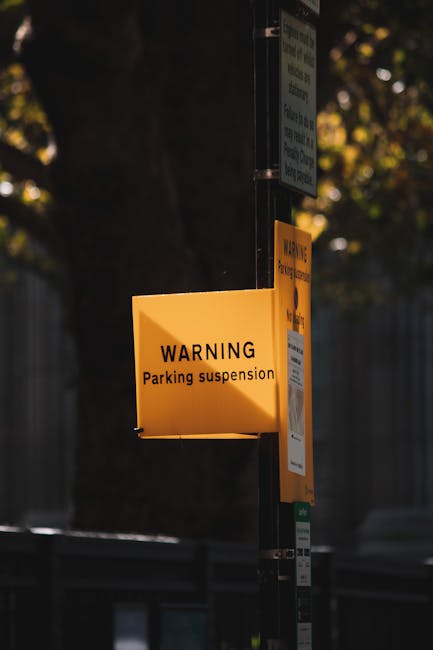
Street bay suspensions, parking charges and SW6 moves: what you need to know before moving day
If you are planning a move in SW6, the awkward bits are rarely the boxes. It is the curbside logistics. Street bay suspensions, parking charges and SW6 moves can become the hidden trio that decides whether the day feels calm or chaotic. Get the bay right, and everything else tends to flow. Miss it, and you may be stuck circling, carrying furniture further than expected, or paying extra that nobody budgeted for.
This guide breaks the whole thing down in plain English. You will learn how bay suspensions affect access, why parking charges matter, how to avoid common moving-day mistakes, and what to ask when booking a local removal service. Along the way, we will cover the practical details that matter in real life, not just the tidy version people wish moving had.
- Why it matters
- How it works
- Key benefits and practical advantages
- Who needs this and when it makes sense
- Step-by-step guidance
- Expert tips for better results
- Common mistakes to avoid
- Tools, resources and recommendations
- Law, compliance, standards, or best practice
- Options, methods, or comparison table
- Case study or real-world example
- Practical checklist
- Conclusion
- Frequently asked questions
Why Street bay suspensions, parking charges and SW6 moves Matters
In SW6, access is often the real bottleneck. Many streets have tight parking, permit controls, loading restrictions, or resident bays that look convenient until a van arrives and there is nowhere sensible to stop. A suspended bay can be the difference between a short carry and a long, awkward chain of trips up and down a staircase. Parking charges matter too, because they can creep into your move cost if the plan is vague.
People often think of parking as a minor detail. To be fair, it does sound boring until you are standing at the kerb with a sofa, a mattress, and a driver trying to avoid a ticket. Then it is suddenly very relevant. The good news is that once you understand the moving pieces, you can make the street layout work for you instead of against you.
This topic matters even more in local moves around Fulham, Parsons Green, and nearby streets with mixed parking rules. If your route passes close to tube stations, narrow residential roads, or high-demand bays, the practical side of the move becomes just as important as the packing. For wider planning advice, it can help to read how to glide through a house move with confidence and local access advice for Parsons Green Lane and Munster Road.
How Street bay suspensions, parking charges and SW6 moves Works
At a practical level, the process is simple: you arrange a move, check what street parking is available, confirm whether any bays may be suspended, and factor in any charges or restrictions. In SW6, that usually means thinking in three layers.
1. Bay availability
A street bay may be available, suspended, or already heavily used. If a bay is suspended, the space is normally reserved for a specific purpose and cannot be treated like regular parking. For movers, that means you may need to stop elsewhere, load from a different point, or plan a longer carry.
2. Parking charge exposure
Parking charges can apply depending on the location, time of day, and the type of parking. Even when the move itself goes smoothly, a small number of paid parking periods can add up. The exact amount will depend on where you are and what your moving team does on the day, so it is best to treat parking as a budget item rather than an afterthought.
3. Timing and access windows
Local streets often work best when the arrival time is planned carefully. A 30-minute delay can change which bay is free, whether deliveries are in progress, or whether you are forced into a less convenient spot. That is why smart movers build a proper access window instead of assuming the road will be clear when they turn up. If your move is time-sensitive, the local guidance in tube moves, concierge lifts and arrival slots is especially useful.
One small but important clarification: not every move needs a formal bay suspension. Sometimes a well-timed booking, a sensible vehicle choice, and a realistic loading plan are enough. But when the street is tight, the bay becomes a strategic part of the move, not a side issue.
Key Benefits and Practical Advantages
When street access is handled properly, the benefits are immediate. The move feels less rushed, fewer items need to be carried a long distance, and the risk of avoidable charges drops. Simple enough, but genuinely useful.
- Shorter carrying distance: fewer steps from van to front door means less fatigue and less chance of bumps or drops.
- Lower stress: everyone knows where the vehicle is stopping and what happens if the first option is blocked.
- Better scheduling: the driver, crew, and any helpers can work to a shared plan rather than improvising on the pavement.
- Reduced damage risk: awkward parking often leads to rushed lifting, and rushed lifting is where furniture gets clipped against door frames.
- Cleaner budgeting: parking charges, permits, and access issues are easier to control when they are planned from the start.
There is also a quieter benefit: a well-managed move tends to feel more professional. That matters if you are moving out of a flat with landlords or neighbours nearby, or if you simply do not want the day to look messy. You know the feeling. A calm arrival makes the whole thing look easier than it really was.
If you are moving bulky items, the access plan becomes even more valuable. It pairs naturally with practical packing and handling guidance from the efficient packing guide and tips for handling heavy lifting more safely.
Who This Is For and When It Makes Sense
This topic is relevant for almost anyone moving in SW6, but some people feel the pressure more than others.
Typical situations where planning matters most
- Flat moves on narrow roads: access can be tight, and loading nearby may be difficult.
- Ground-floor moves in busy streets: even a short move can be delayed by parked cars or delivery vehicles.
- Students and renters with fixed move-out times: if your handover is in the morning, there is less room for delay.
- Households with heavy furniture: sofas, beds, wardrobes, and white goods make short carries much more manageable.
- Office or business moves: timing matters because staff, clients, and building access windows all collide at once.
It makes sense whenever the street is unpredictable or the timing is tight. If you are in a quieter road with easy access, you may need less formal planning. But in a place like SW6, that is not always the safe assumption. Let's face it, parking can look fine at 8am and be completely different by 9:15.
For renters and students, the time pressure can be especially real. A practical starting point is to keep things light and organised, then pair that with the right moving support. Resources like student removals in Parsons Green and where to start with pre-move decluttering can make a surprisingly big difference.
Step-by-Step Guidance
If you want the move to run smoothly, do not leave street access planning until the night before. A little structure helps a lot.
- Check the street layout early. Look at where the van could realistically stop, not just where it would be convenient.
- Identify parking constraints. Make a note of resident bays, loading spaces, yellow lines, and any obvious time restrictions.
- Ask whether a suspension is needed. If the street is tight or parking is usually full, a suspended bay may be worth considering.
- Confirm the likely loading point. Decide where items will come from and whether your team will need trolleys, blankets, or extra hands.
- Build parking charges into the quote. Parking should be part of the discussion, not a surprise once the van is already there.
- Prepare the property for fast loading. Clear hallways, label boxes, and keep keys, paperwork, and essentials accessible.
- Leave a small buffer. Traffic, neighbours, and street activity can all introduce tiny delays. Tiny, but annoying.
When the move involves larger furniture, a sensible next step is to review furniture handling in advance. If you need storage as part of the plan, that should be sorted before moving day, not as a last-minute idea when the van is already full. That is where furniture removals support and storage options in Parsons Green can help with the bigger picture.
Expert Tips for Better Results
These are the small details that often separate a smooth day from a frustrating one.
- Use the closest legal stopping point, not the closest convenient one. Saving five metres is not worth a ticket or a blocked road.
- Keep a backup option. If the first bay is gone, know the second-best place before the van arrives.
- Think about carry distance as a labour cost. A cheaper parking setup can become more expensive if the crew has to walk much further.
- Group items by exit order. Put the earliest-loading boxes near the door, and the awkward stuff nearer the van side of the plan.
- Protect the floor and stair edges. A quick barrier or cover can save headaches later.
In our experience, the people who do best are not necessarily the ones with the biggest budget. They are the ones who ask the boring questions early. Where will the van stop? What happens if it cannot stop there? Who is checking the bay? Very glamorous stuff, obviously.
If you are dealing with difficult items such as a bed, piano, or a freezer, it is worth reading the more specific move guides too: moving a bed and mattress, professional piano moving, and safe freezer storage tips.
Common Mistakes to Avoid
Most moving-day problems are not dramatic. They are just avoidable. That is the annoying part.
- Assuming parking will be free and available. In SW6, that is more hope than strategy.
- Leaving bay checks too late. By the time the van is outside, your options are much smaller.
- Forgetting the carry route. A short road can still have awkward steps, tight corners, or a blocked entrance.
- Underestimating the impact of parking charges. Even modest charges can matter if the move takes longer than planned.
- Not telling the removals team about restrictions. The crew can only work with the information they have.
- Ignoring building access rules. Concierge slots, lift bookings, and hallway protection may all be relevant.
There is also the classic mistake of packing brilliantly but planning the street badly. That one is sneaky. You can have beautifully labelled boxes, a perfect inventory, and a van full of blankets, then spend twenty minutes hunting for somewhere legal to stop. Not ideal.
For messy, tight-turnaround situations, it may be worth looking at same-day emergency clearances if your schedule has changed suddenly. For most people, though, planning beats panic every time.
Tools, Resources and Recommendations
You do not need a big toolkit, but a few practical items and documents make a move much easier.
- Measuring tape: helpful for checking whether furniture and access routes actually fit.
- Marker pens and labels: useful for box sorting and fast unloading.
- Blankets, wraps, and straps: these protect furniture and help with safe handling.
- Phone notes: keep bay details, arrival times, and any contact numbers in one place.
- Parking plan: a simple written note with the likely stopping point and backup plan.
For practical move prep, a few internal resources are especially useful. Start with organising and cleaning before relocation, then move on to packing efficiently if you want a calmer last day. If you need a broader overview of service choices, the services overview gives a useful sense of how removal support can be structured.
It is also sensible to understand pricing language before you commit. Moves in busy areas sometimes involve parking, waiting time, access issues, or special handling, and the quote should make sense in plain English. If that part matters to you, read how to understand confusing quotes in Parsons Green alongside pricing and quotes.
Law, Compliance, Standards, or Best Practice
With parking and street bay use, it is best to stay cautious and practical. Local parking restrictions, suspensions, and loading rules can change from street to street, and they may also vary by time of day. The safest approach is to verify what applies to your exact address and date, then plan around that information.
For moving companies, the important thing is not just whether they can physically do the job. It is whether they work safely, communicate clearly, and treat access constraints properly. Good practice usually includes:
- checking access before the day of the move
- planning a legal stopping position
- protecting property and shared areas
- handling goods with appropriate care
- being transparent about likely extra costs
If your move involves a building with managed access, lifts, or communal spaces, coordination matters even more. That is where a careful, experienced approach helps. You are not just moving boxes; you are moving them through a live street and sometimes through a building full of other people going about their day. It sounds obvious, but it gets overlooked.
For extra reassurance on safety and responsibility, it is worth reviewing health and safety guidance, insurance and safety information, and the terms and conditions before booking. If sustainability is part of your decision-making, recycling and sustainability is also worth a look.
Options, Methods, or Comparison Table
There is no single best way to manage street access in SW6. It depends on the road, the load, and how much flexibility you have. Here is a straightforward comparison.
| Method | Best for | Pros | Trade-offs |
|---|---|---|---|
| Informal curbside parking | Quieter streets with decent availability | Simple, fast, usually lower admin | Risk of limited space or short carry if bays are busy |
| Bay suspension | Tight streets and heavy loads | Closer access, easier loading, better control | Needs planning and may involve extra cost |
| Paid parking arrangement | Moves with moderate access needs | Flexible and often easy to set up | Charges can add up if the move runs long |
| Full managed move with access planning | Flats, offices, and complex properties | Most organised, least stressful, better for tricky access | Requires the most coordination |
In simple terms, the more complicated the access, the more value you get from proper planning. A student flat on a straightforward road may only need a light-touch plan. A family house with a large wardrobe, a sofa, and a tight resident bay? That is a different story entirely.
Case Study or Real-World Example
Here is a realistic example based on the sort of move people often face in SW6.
A couple was moving from a first-floor flat near a busy residential street in Fulham. The property itself was manageable, but the road had limited curb space, and daytime parking was already busy. They originally assumed the van could stop right outside. It could not. The first attempt would have left the crew parked several doors away, which would have meant extra lifting for a sofa, a bed frame, and a handful of heavy boxes.
Instead, they reviewed access the week before, identified where a bay suspension would help, and prepared the flats in advance. Boxes were labelled by room. The mattress was wrapped. The most awkward items were loaded first while the street was still relatively quiet in the morning. The job still took effort, of course, but the day felt controlled rather than improvised. No drama, no last-minute scramble, and no one was dragging a sideboard through half the street at lunchtime.
The key lesson? Small access decisions can change the whole experience. A move is often remembered less for the packing and more for the moments around the door, the pavement, and the van. That's where the stress lives.
If your move feels similar, you may also find local moving tips for Parsons Green to Fulham Broadway helpful, especially if your route crosses busy roads or mixed parking zones.
Practical Checklist
Use this as a last-run check before moving day.
- Confirm the exact moving date and arrival window.
- Check whether the street bay is likely to be available or suspended.
- Note any parking charges or likely wait time.
- Map the carry route from van to property entrance.
- Measure any large furniture that needs special handling.
- Protect shared floors, hallways, and stair edges where relevant.
- Label boxes by room and priority.
- Set aside essentials you will need immediately.
- Tell the removals team about stairs, lifts, narrow turns, or access codes.
- Keep your phone charged and available on the day.
Quick expert summary: for SW6 moves, the winning formula is usually simple: plan the stopping point early, build in parking costs, reduce the carry distance where you can, and keep the loading sequence tidy. A little preparation saves a lot of shuffling around later.
Get a free quote today and see how much you can save.
Conclusion
Street bay suspensions, parking charges and SW6 moves are not glamorous topics, but they are the practical backbone of a smooth local move. If you handle access well, the rest of the day becomes much easier to manage. If you leave it to chance, you can end up paying for the gap in your planning with time, effort, and a fair bit of frustration.
The best approach is steady and realistic. Check the street. Plan the van stop. Budget for parking. Keep the load organised. Then give yourself a small buffer, because London streets have a habit of changing their mood between one minute and the next. You do not need perfection here. Just a decent plan and the right expectations.
And truth be told, that is often enough to turn a stressful move into a very ordinary one, which is exactly what you want. Quietly efficient. No fuss. A proper finish.